Posts

How to knit with wooden circular needles like a pro

Image
Circular knitting needles open up whole new creative opportunities. Because of their unique blend of comfort, control, and adaptability, these multipurpose tools have become a favorite among knitters. In this blog, you will find the insights that will help you knit like a pro. The benefits of wooden circular needles are numerous: Comfort: Wood's warm, organic feel is kind to your hands and keeps you from getting tired while knitting for extended periods. Versatility: Wooden knitting needles are suitable for various projects, ranging from big blankets and shawls to tiny hats and socks. Stitch Security: The ideal amount of grip offered by wooden needles guarantees that your stitches won't come loose. Seamless Knitting: Using wooden circular needles eliminates seams, making this technique ideal for projects requiring knitting in the round. Tips for Pro-Level Knitting: Mastering Techniques Magic Loop Method: For knitting small circumference items like socks and sleeve...
5 Crochet Project Ideas for Beginners

Image
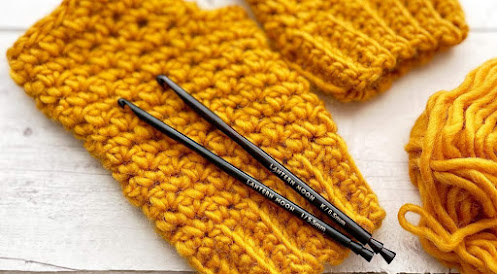
Crocheting is a versatile and entertaining activity that allows you to make beautiful and functional items using only crochet hooks and some yarns. Starting with easy and manageable projects when learning to crochet is crucial for developing your abilities and confidence. Here are five simple crochet project ideas that can give beginners a good foundation to improve their crocheting abilities. Crocheted Washcloths or Dishcloths Starting with a dishcloth or washcloth would be an excellent start for a beginner. These tasks are manageable, easy to do, and ideal for learning the fundamental stitches. A crochet hook and some cotton yarn are all that are required. Materials required: Pick the Worsted-weight cotton yarn in any color you wish Hook for crocheting (Size G/6-4.0mm) A yarn needle Method or technique To start the foundation row, tie a slip knot and chain roughly about 25 stitches. Then, until you have a square or rectangle that you like, work back and forth in rows usi...

Guide to Knitting the Stretchy Bind Off

Image
There are multiple ways to bind off stitches in knitting. Even when you are taking off the project from your knitting needles you can give it a stretchiness, add some embellishment and transform your project. Just like cast on, the bind off techniques are chosen according to the project. The stretchy bind off is a knitting technique used to create a more flexible and elastic edge on your project, perfect for cuffs, collars, and any other part that needs to stretch comfortably. Here's a step-by-step guide on how to do the Stretchy Bind Off: Before starting the bind off, you'll need a working yarn tail that is about three times the length of the edge you want to bind off. This will give you enough yarn to work with. Also, if you are a tight knitter, it is recommended to work with a knitting needle that is at least two sizes larger than the one you’ve worked your project with. You can work this bind off whether you are working on back and forth on circular needles or using a ...

Guide to Crochet Straight Edges

Image
Once you learn to hold your crochet hooks, you can apply them to the making of any project. You may be recommended to start small with either a scarf or a dishcloth before moving on to garments and accessories. Straight or neat edges are an important factor when it comes to crochet projects, especially with visible edges such as blankets, scarves, or even a basic dishcloth. There are multiple reasons why you don’t always get straight edges. It can be due to a miscount in stitches or an unintentional increase or other things. No matter what you crochet, neat edges makes your project look attractive. To crochet straight edges, here are some tips and techniques you can use. Whether you work with single-ended crochet hooks for regular crochet or interchangeable Tunisian crochet hooks without attaching the cord for the craft, you can work out straight edges. The choice of the yarn has nothing to do with edges till the time you work with the yarn weight with the crochet hook size. If you ...

How to Crochet the Ripple Stitch

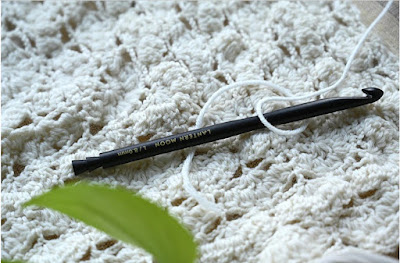
The ripple stitch is a popular crochet technique that creates a wave-like pattern. It's great for blankets, scarves, or any project where you want to add texture and visual interest. The stitch pattern works with your regular crochet hook and basic stitches. You can work the pattern with any of your single-ended crochet hooks or work with specialty interchangeable Tunisian hooks without attaching the cords. For yarns, almost any weight, color or fiber. For practice, you can use yarn from your stash. Very similar to the chevron stitch in knitting. In crochet, the ripple stitch with peaks and valleys looks like waves. You work row by row with increases and decreases to accomplish the effect. There are several versions of the ripple stitch that will produce a smooth look with very few holes or gaps to larger holes for a lace-like look. The ripple stitch pattern particularly looks great in colourwork or with gradient yarn but you can work with any other yarn or weight. Worked wit...

5 Basic Tunisian Crochet Stitches

Image
Tunisian crochet, also known as Afghan crochet, is a type of crochet that uses a long hook and a special technique to create a fabric that is denser and more textured than traditional crochet. The crocheting technique creates a fabric that has a knit-like look. Many of the basic stitches have similar names such as knitting. The Tunisian crochet hooks also resemble the knitting needles. They are meant to be longer and accommodate stitches on its lengths. Interchangeable Tunisian crochet hooks come with an option of attaching an interchangeable cord. Tunisian crochet works in two rows. First you lay the foundation with chain stitches as long as you need for your project. Insert your Tunisian crochet hook into the second chain. Yarn over and pull up a loop that will stay on the hook. Continue to insert your crochet hook into each chain stitch, yarn over, and pull up a loop. Keep all the stitches on the hook. For the next row, also known as the return pass work the stitches individually...

Flat VS Knitting in the Round - Everything you need to Know

Image
Flat knitting and knitting in the round are simply different techniques to produce the same end result. Whether you knit flat or round, you’ll need knitting needles , yarn and a pattern for the project. The distinction between flat and round comes down to the path that your knitting needles take to create a project. A scarf, for instance, must be knit flat while a sweater can be knitted using either method. If you knit it round, you’ll have a seamless design and if you knit it in pieces, you can seam the edges with a darning needle. It all comes down to the pattern requirements and instructions, or even the type of needles being used. Single-pointed needles are exclusive to flat knitting while double-pointed needles are most commonly used for knitting in the round, specifically on smaller projects. The most versatile choice is the range of circular needles - both fixed circulars and interchangeable circulars can be used to knit both flat and in round. But the choice of knitting flat (...